
The Murder Investigation
Presumed InnocentThis flow follows the investigation from a baffling crime scene through compromised evidence to a private explanation that never becomes an official solution.
increasing Bearing strength in each event
 decreasing
Bearing strength in each eventdecreasingA Sealed-Looking Crime Scene
A Sealed-Looking Crime Scene
The first account
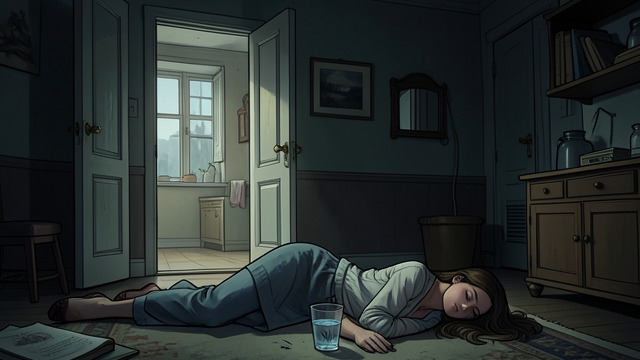
Carolyn Polhemus is found dead in her apartment after being struck in the head and bound with clothesline. The doors and windows are unlocked, and the room shows disturbance without the signs of a prolonged struggle.
The initial theory
Investigators see apparent sexual violence, but the details resist an easy explanation. A drinking glass has unidentified prints, no obvious murder weapon is recovered, and the physical arrangement could represent either an assault or a deliberate attempt to imitate one.
Why the scene matters
The openness of the apartment becomes an early clue that someone may have been admitted rather than forced inside. Because Carolyn knew many people and kept a complicated private life, the apparently ordinary objects in the room will acquire growing significance.
A Narrowing but Uncertain Theory
A Narrowing but Uncertain Theory
Forensic contradictions
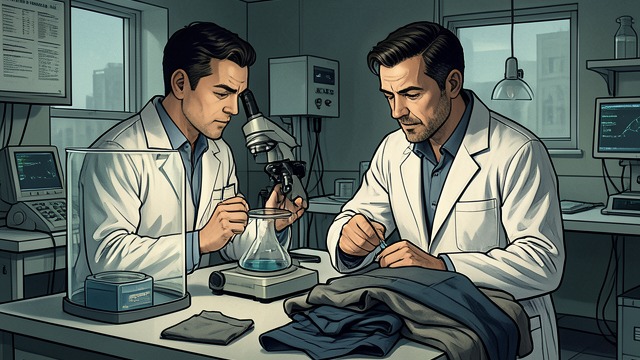
Rusty Sabich and Dan Lipranzer review the early reports. The pathologist initially suggests a sterile assailant, while fibers on Carolyn's clothing point toward carpet not found in her apartment. The investigators still cannot establish who was present or what happened first.
A changed interpretation
The forensic chemist identifies spermicide in the specimen, and Dr. Kumagai later argues that the killing was staged to resemble rape. The supposed contraception is not found in the apartment, however, leaving the central interpretation dependent on a troublingly incomplete chain of evidence.
Pressure to solve it
Raymond Horgan wants results before the election, while Rusty is both investigator and former lover of the victim. The investigation's professional obligations and Rusty's concealed personal history increasingly interfere with one another.
A Private Reconstruction
A Private Reconstruction
An unexpected admission
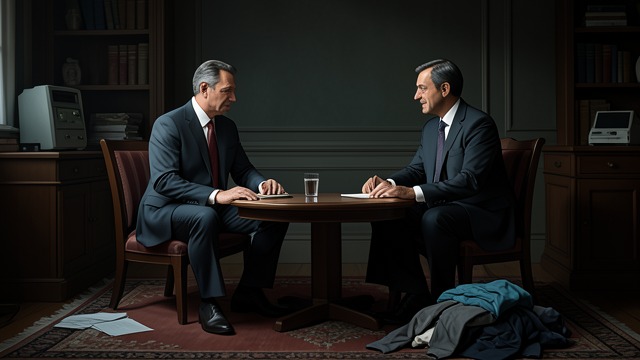
After the trial, Rusty tells Dan Lipranzer how he believes Barbara killed Carolyn. In his account, Barbara used her knowledge of Rusty's affair and habits to create a scene that would implicate him, including the glass, the fibers, and the misleading sexual evidence.
A competing possibility
Lipranzer does not accept Rusty's explanation without reservation. He suggests Barbara may have intended both to kill Carolyn and to leave Rusty vulnerable to conviction, rather than merely to make him understand the murder privately.
No public resolution
Rusty declines to report his theory, and the homicide remains officially unsolved. The novel ends not with a court finding about Carolyn's killer, but with Rusty and Lip confronting the limits of what either can know or prove.
April 1 and the following morning
The first weeks of April
After the trial and into the following winter
